


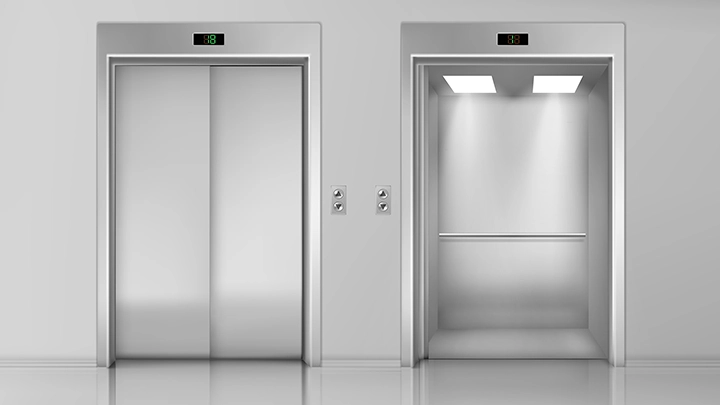
The elevator door system is one of the most frequently used parts of an elevator and plays a critical role in passenger safety, operation efficiency, and user experience. Every elevator journey depends on the door system opening, closing, and locking accurately before the elevator starts moving.
A reliable elevator door system combines mechanical structures, electrical control components, and safety devices to ensure smooth operation under thousands of repeated cycles. For elevator manufacturers, installers, and maintenance companies, selecting suitable door components and maintaining them properly are essential for reducing downtime and extending service life.
What Is an Elevator Door System?
An elevator door system is a complete assembly responsible for controlling the opening and closing movement of elevator doors. It works together with the elevator control system to ensure that passengers can enter and exit safely while preventing the elevator from operating when doors are not properly closed.
A typical elevator door system includes:
- Door operator
- Door controller
- Door panels
- Door hanger system
- Guide rails
- Door locking device
- Safety sensors
During operation, the control system sends commands to the door operator, which drives the door panels to open or close at a controlled speed.
Why Elevator Door Systems Are Important
Although elevator doors may appear simple, they directly affect elevator safety and daily performance.
A high-quality door system provides:
Passenger Safety
Door interlocks and sensors prevent elevator movement when doors are not securely closed.
Smooth Operation
Precise control reduces vibration, noise, and unnecessary mechanical impact.
Improved Efficiency
Fast and reliable door movement helps reduce passenger waiting time in high-traffic buildings.
Reduced Maintenance Costs
Durable components and proper adjustment minimize frequent repairs and replacement.
Common Types of Elevator Door Systems
Different buildings and applications require different door configurations.
| Door Type | Features | Common Applications |
|---|---|---|
| Automatic Sliding Door | Smooth operation and space-efficient design | Passenger elevators, commercial buildings |
| Center Opening Door | Two panels open from the center for wider access | Office buildings, shopping centers |
| Telescopic Door | Panels slide in the same direction to save space | Limited shaft width applications |
| Side Opening Door | Door panels open toward one side | Freight elevators, special applications |
Main Components of Elevator Door Systems
A complete elevator door system consists of several important components working together.
1. Door Operator
The door operator is the driving mechanism that controls door movement.
Its main functions include:
- Providing opening and closing power
- Controlling movement speed
- Managing acceleration and deceleration
- Adjusting door operation timing
A well-designed door operator helps achieve smooth movement while reducing mechanical stress.
2. Door Controller
The door controller manages communication between the elevator control system and the door mechanism.
It controls:
- Opening and closing commands
- Door speed adjustment
- Obstacle response
- Door position monitoring
Modern door controllers improve operation accuracy through electronic control technology.
3. Door Panels
Door panels are the visible moving parts of the elevator entrance.
Common materials include:
- Stainless steel
- Painted steel
- Glass panels
- Customized decorative finishes
Selection depends on:
- Building design requirements
- Durability expectations
- Cleaning and maintenance needs
4. Door Hanger and Guide System
The hanger system supports the door panels and allows smooth horizontal movement.
Main functions:
- Maintain door alignment
- Reduce friction
- Support repeated opening cycles
Regular inspection of rollers and guide components helps prevent abnormal noise and uneven movement.
5. Door Locking Device
The door locking system is a key safety component.
It ensures:
- Doors remain securely closed during elevator movement
- Elevator operation is prevented when doors are unlocked
- Passenger safety requirements are maintained
6. Safety Sensors
Safety sensors help detect obstacles during door closing.
Common devices include:
- Light curtain sensors
- Infrared detection systems
- Door reopening sensors
When an obstacle is detected, the system sends a signal to reopen the doors.
How Elevator Door Systems Work
The door operation process involves several coordinated steps.
Step 1: Receiving Door Commands
When the elevator reaches a floor, the control system sends an opening signal to the door controller.
Step 2: Activating the Door Operator
The door operator drives the door panels through the hanger mechanism.
Step 3: Monitoring Door Movement
Sensors monitor:
- Door position
- Closing speed
- Obstacle conditions
Step 4: Confirming Door Locking
Before elevator movement begins, the locking device confirms that the doors are fully closed and secured.
This sequence ensures safe and reliable operation.
Common Elevator Door Problems and Solutions
Because elevator doors operate frequently, they may experience wear over time.
| Problem | Possible Causes | Recommended Solution |
|---|---|---|
| Door moves slowly | Motor aging, incorrect adjustment | Check operator settings and mechanical parts |
| Door makes abnormal noise | Roller wear, poor alignment | Inspect hanger and guide components |
| Door repeatedly reopens | Sensor misalignment or obstruction | Check safety sensors |
| Door does not close completely | Locking issue or mechanical resistance | Inspect door lock and tracks |
| Uneven door movement | Door panel imbalance | Adjust hanger system |
Elevator Door System Maintenance Tips
Regular maintenance helps maintain safety and extend component lifespan.
1. Inspect Door Rollers and Guides
Check for:
- Wear
- Dust accumulation
- Abnormal friction
- Misalignment
Clean and adjust components when necessary.
2. Check Door Sensors
Safety sensors should be tested regularly to ensure they respond correctly.
Maintenance teams should verify:
- Sensor alignment
- Detection range
- Signal response
3. Adjust Door Speed Settings
Incorrect speed settings may cause:
- Door impact
- Excessive noise
- Increased component wear
Proper adjustment improves passenger comfort.
4. Inspect Door Lock Performance
Door locks should be checked to ensure:
- Reliable engagement
- Correct electrical signals
- Stable operation
Factors to Consider When Selecting an Elevator Door System
When choosing an elevator door system, buyers should consider:
Building Application
Different environments require different performance levels.
| Application | Important Requirements |
|---|---|
| Residential Buildings | Low noise and reliability |
| Commercial Buildings | Fast operation and durability |
| Hospitals | Smooth movement and wide openings |
| Industrial Buildings | Heavy-duty performance |
Traffic Requirements
High-traffic buildings may require:
- Faster opening and closing speed
- Higher cycle durability
- More robust components
Compatibility With Elevator Systems
The door system should match:
- Elevator controller
- Car design
- Safety system
- Installation space
Proper compatibility ensures stable operation and easier maintenance.
Future Trends in Elevator Door Technology
Modern elevator door systems are developing toward:
Intelligent Monitoring
Sensors and digital systems can monitor door conditions and identify potential problems.
Energy Efficiency
Optimized door operators reduce unnecessary power consumption.
Improved User Experience
Advanced control technology enables quieter and smoother door movement.
Customized Design
More architectural projects require customized materials and finishes for elevator interiors.
Conclusion
The elevator door system is a vital component that combines safety, mechanical performance, and passenger convenience. From door operators and controllers to sensors and locking devices, every part contributes to reliable elevator operation.
For elevator manufacturers and system integrators, selecting the right elevator door components and implementing proper maintenance procedures can significantly improve system stability, reduce downtime, and enhance long-term performance.
A well-designed elevator door system ensures that every opening and closing cycle is safe, smooth, and reliable.


